Certified Asbestos Abatement in Vernon & Kelowna
Certified hazardous material removal for residential, commercial, and renovation projects. Fully compliant with WorkSafeBC licensing requirements.
Why Licensing Matters for Your Project
As of January 1, 2024, WorkSafeBC requires all asbestos abatement contractors to hold a valid Asbestos Abatement License (AAL). Because the City of Kelowna and the City of Vernon mandate specific permits and a Hazardous Materials Survey for renovation or demolition work, hiring an unlicensed contractor can lead to significant fines and legal liability for property owners. Interior Abatement possesses the local expertise and active licensing to navigate these municipal requirements, ensuring your project in the Okanagan is handled legally, safely, and in full compliance with BC law.


Our Commitment to WorkSafeBC Safety Standards
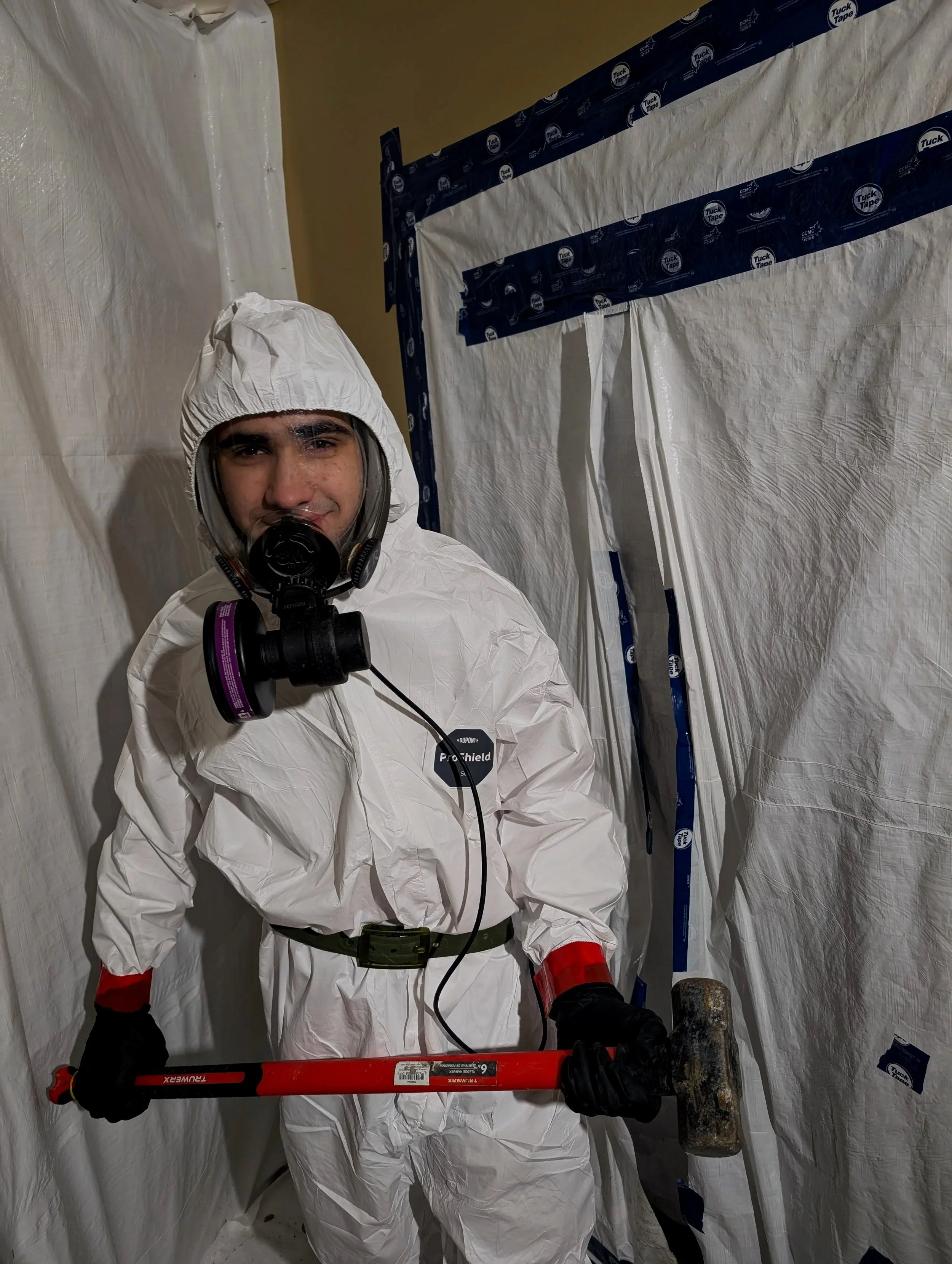
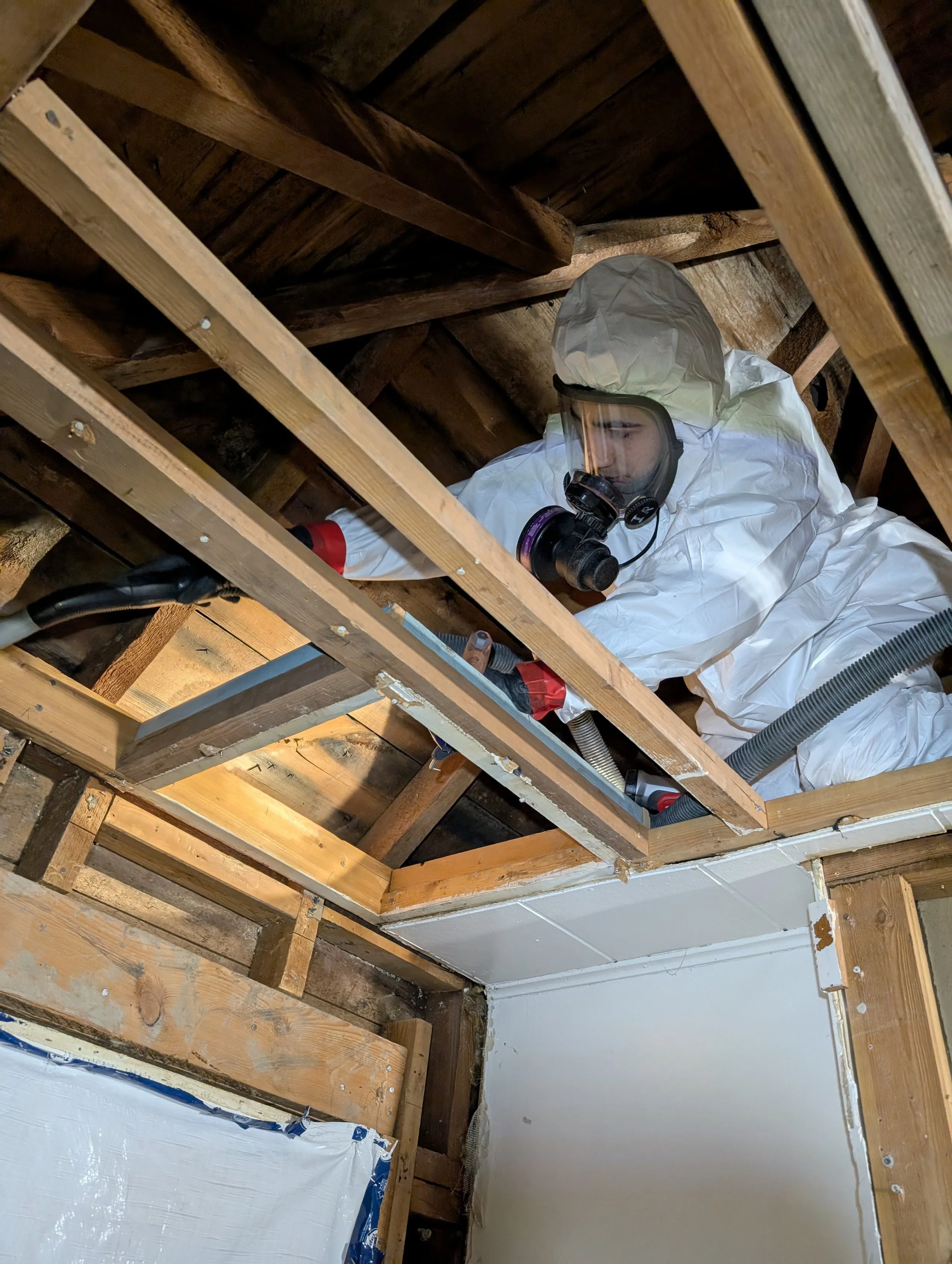
Certified high-risk asbestos abatement procedures as mandated by WorkSafeBC. Interior Abatement follows these strict safety protocols for all residential and commercial hazardous material removals in Vernon and Kelowna, BC.
Common Asbestos-Containing Materials in Okanagan Homes
Is it Asbestos? Identification & Safe Removal in Kelowna & Vernon
If your home or commercial building in the BC Interior was built or renovated before 1990, there is a high probability that asbestos-containing materials (ACMs) are present. Asbestos was prized for its fire resistance and durability, but when disturbed during a renovation or demolition, it becomes a severe health risk.
At Interior Abatement, we help homeowners identify and safely remove these common hazardous materials.
Transite Siding & Roofing
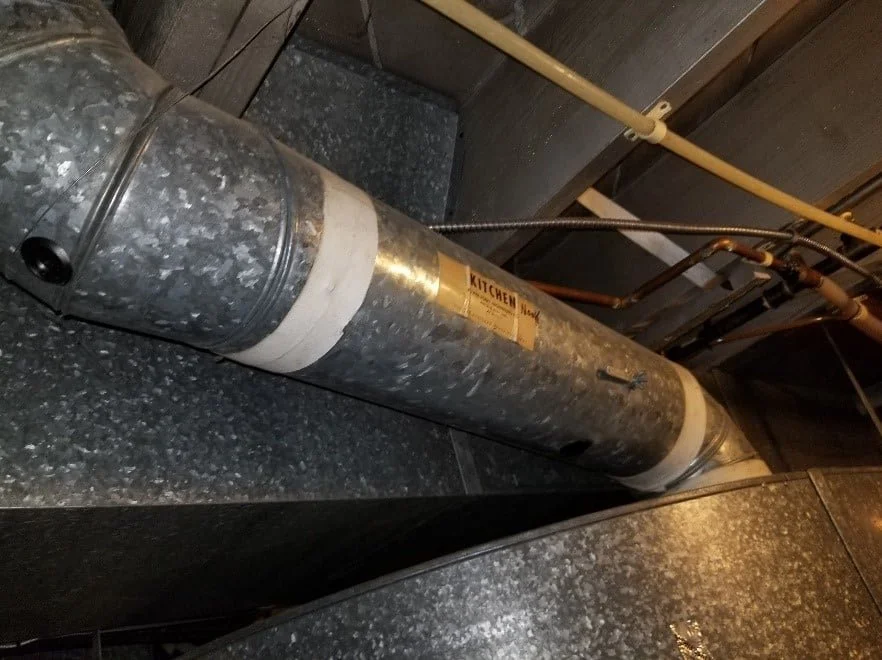
Duct Wrap & Pipe Insulation
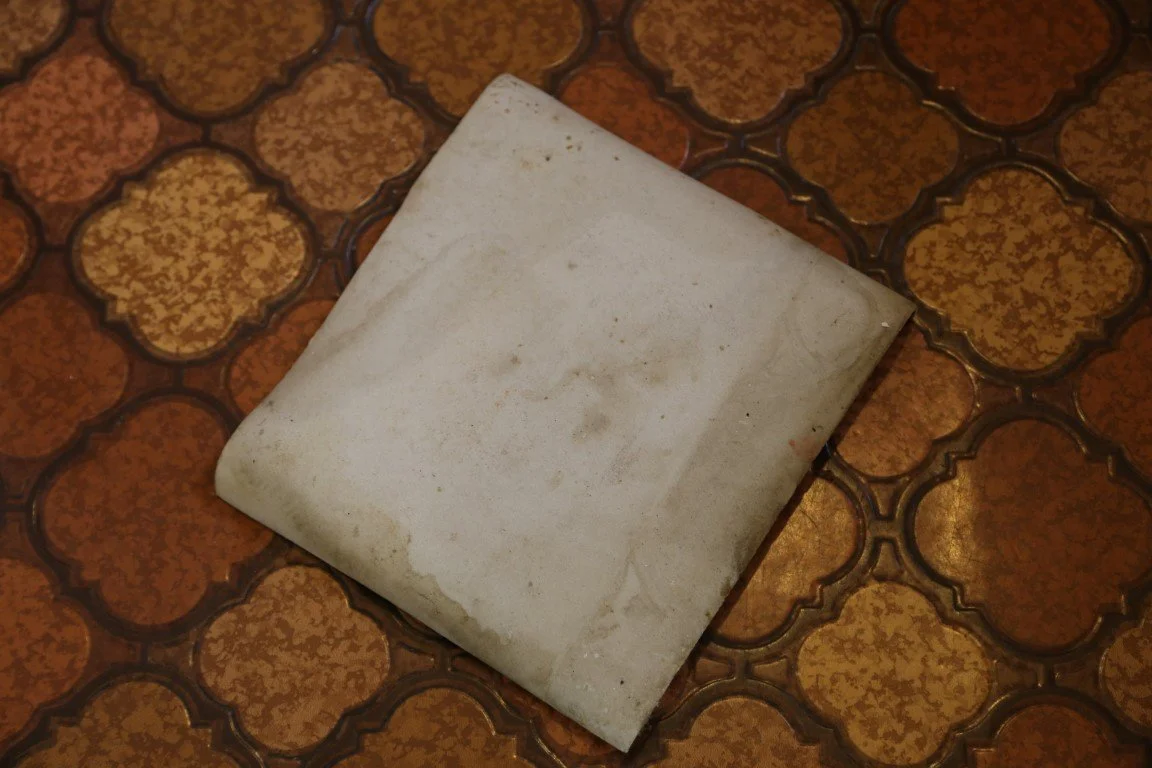
Many older basements in Vernon and Kelowna feature 9x9 or 12x12 vinyl tiles. While the tile itself is non-friable, the black "mastic" adhesive underneath and the paper backing on sheet linoleum often contain high concentrations of asbestos.
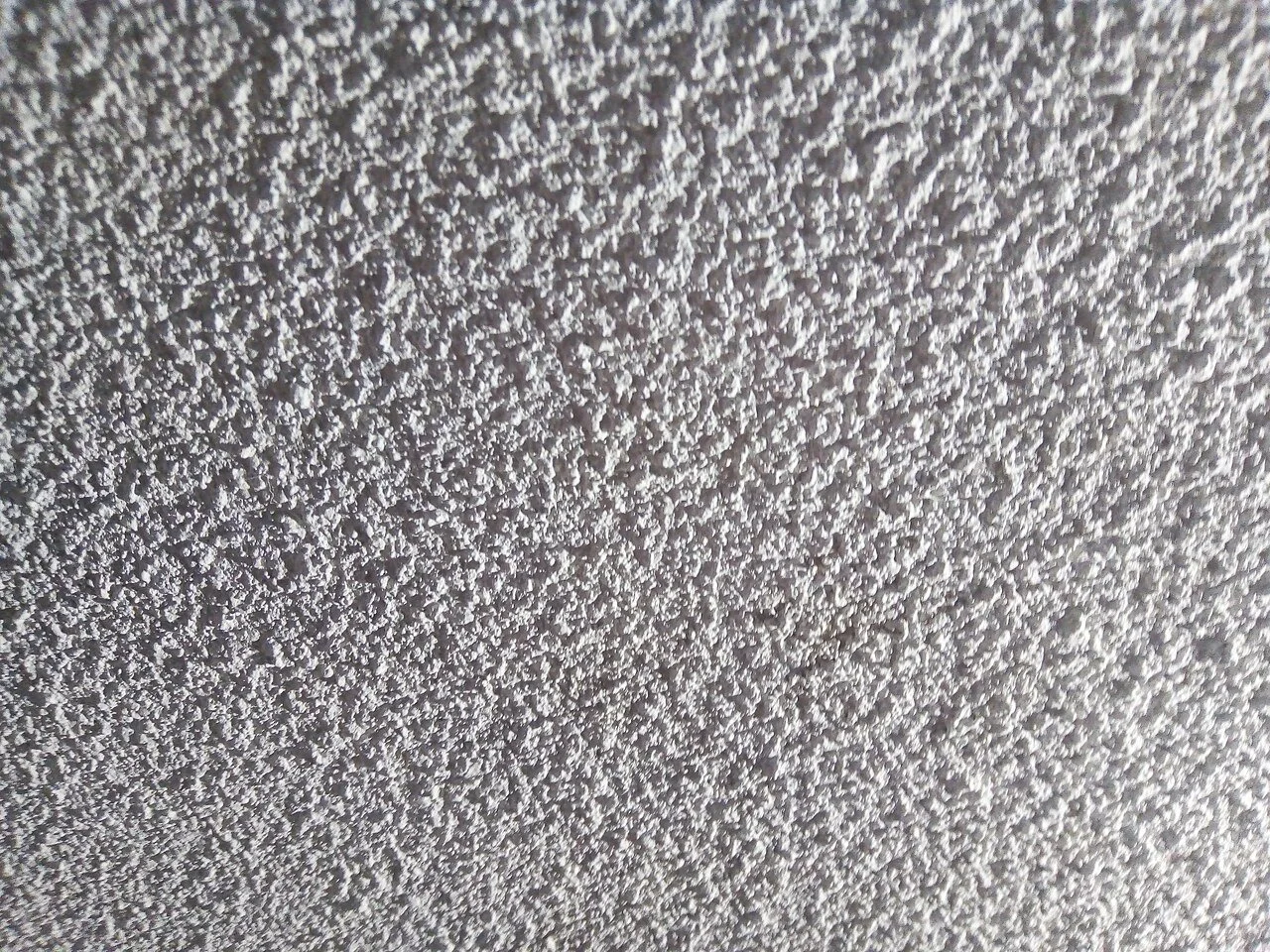
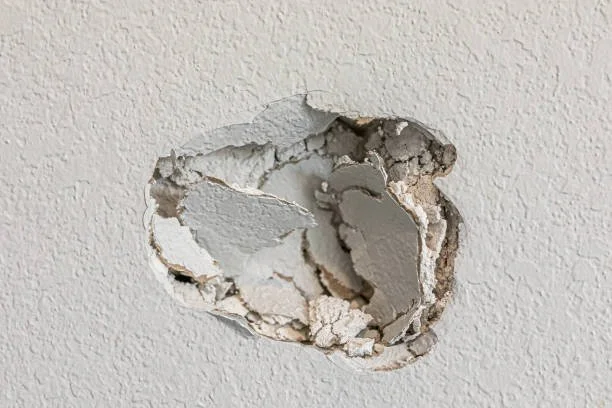
Textured "Popcorn" Ceilings & Wall Plaster
Vinyl Floor Tiles & Linoleum Backing
Textured ceilings were a staple of Okanagan homes from the 1950s through the late 1980s. The "popcorn" spray often used chrysotile asbestos to achieve its look and fire rating.
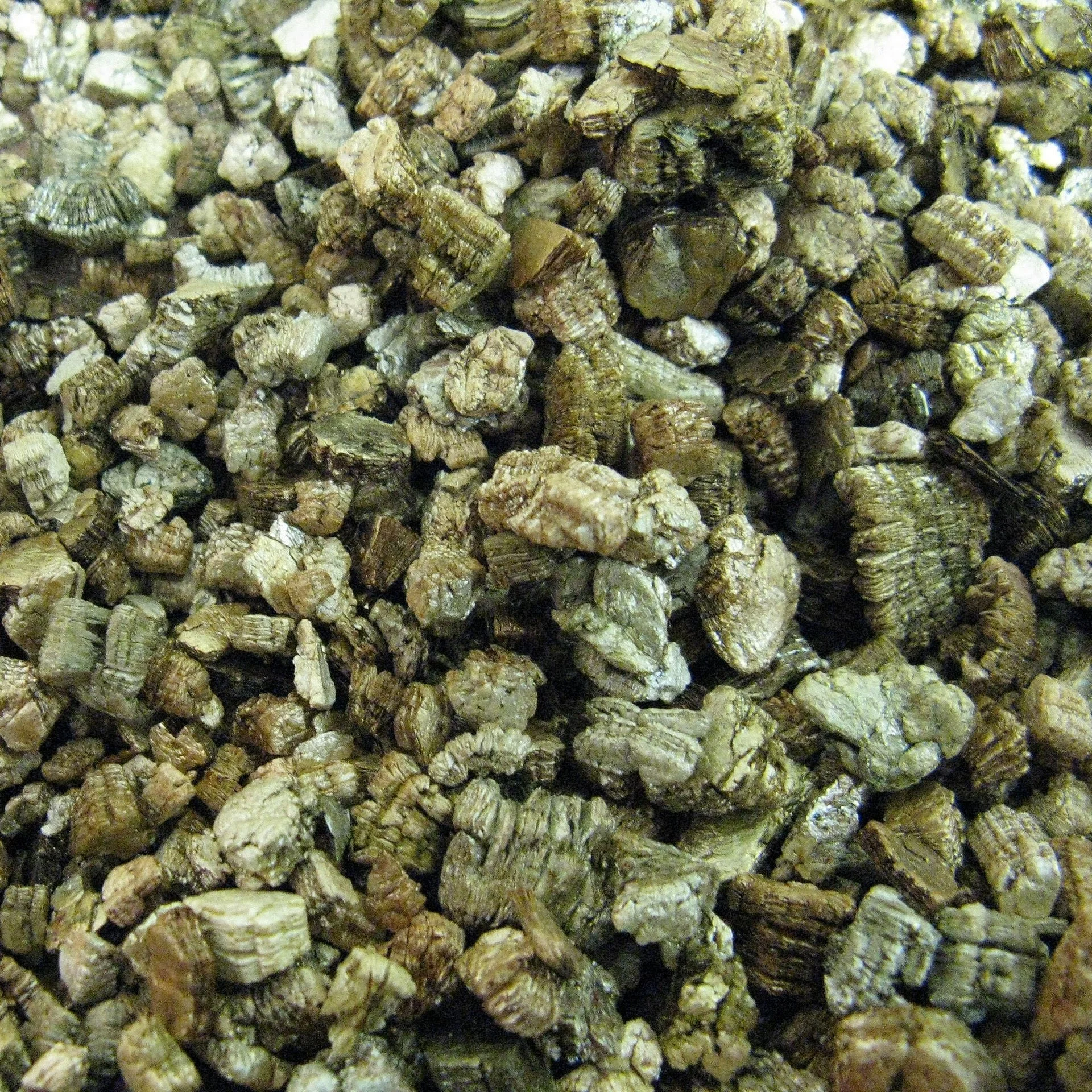
Vermiculite Attic Insulation
Drywall Joint Compound (Mud)
Does your attic insulation look like small, shiny silver-brown pebbles? This is likely vermiculite. Much of the vermiculite used in BC came from the Libby, Montana mine and is contaminated with tremolite asbestos.
While the drywall board itself rarely contains asbestos, the joint compound (mud) used to seal seams and screw holes frequently did until the early 1990s.
If you have an older furnace in a Kelowna heritage home, you may see white, "paper-like" tape on the metal ducting or "maggot-like" insulation on hot water pipes.
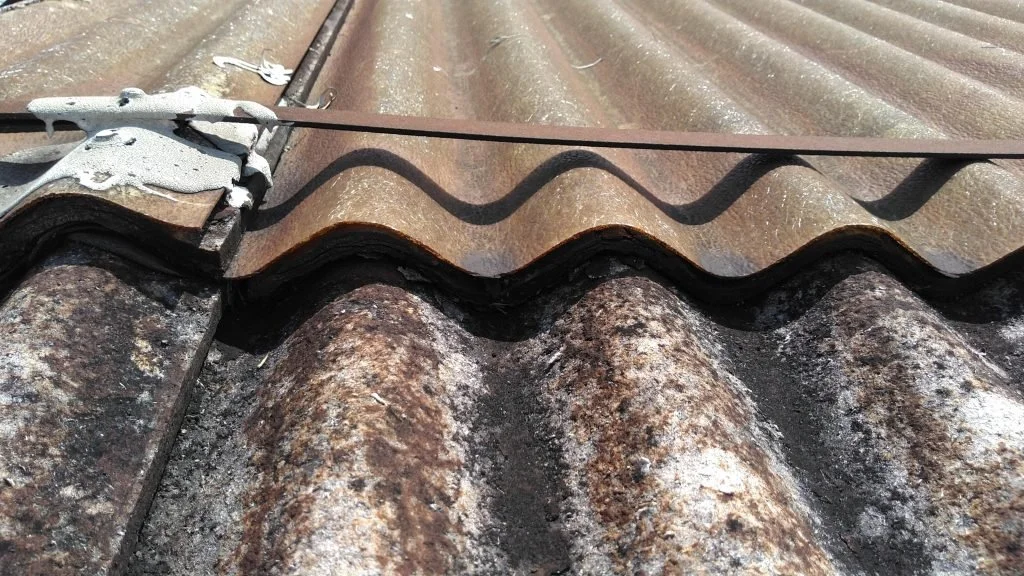
Many mid-century homes and garages in the Okanagan were built using Transite panels—a mixture of cement and asbestos. These are often shingle-style siding or corrugated roofing sheets.
Don’t Guess. Get a Professional Assessment.
In British Columbia, the only way to confirm the presence of asbestos is through laboratory testing.
The 3-Step Abatement Process
Our Process: Precision, Safety, and Guaranteed Clearance
At Interior Abatement, we adhere to the strictest WorkSafeBC protocols, ensuring every project—from initial assessment to final air clearance—is executed with meticulous care. Our transparent, 3-step approach guarantees safety for your property and peace of mind for you.
The first crucial step is a comprehensive hazardous material survey. We partner with independent, certified environmental consultants like Epoch Environmental to accurately identify all asbestos-containing materials (ACMs) in your property. This detailed inventory, along with lab testing, forms the basis of a WorkSafeBC-compliant abatement plan.
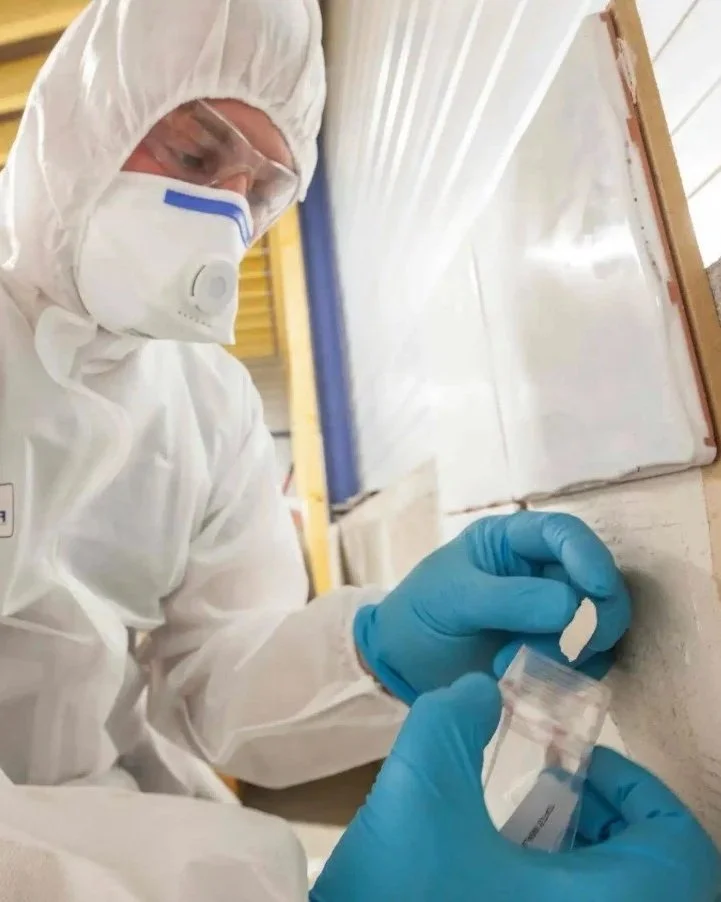
Step 1: Certified Hazard Assessment & Inventory
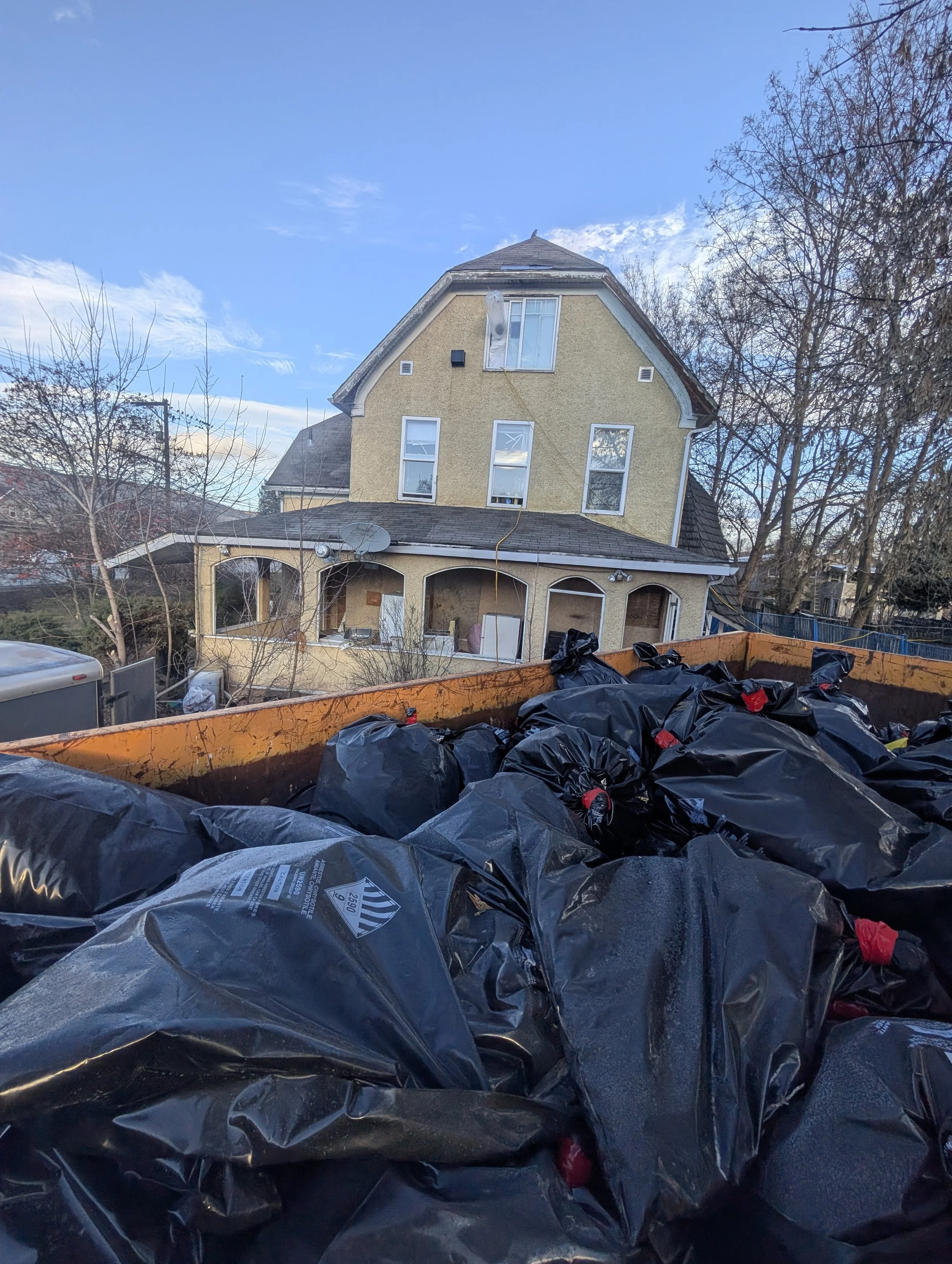
Once identified, our WorkSafeBC-licensed team establishes a secure containment zone using airtight polyethylene barriers, negative air pressure machines, and HEPA filtration. This crucial step prevents cross-contamination, ensuring asbestos fibers are contained and safely removed from your property. All materials are double-bagged, sealed, and transported for compliant disposal.
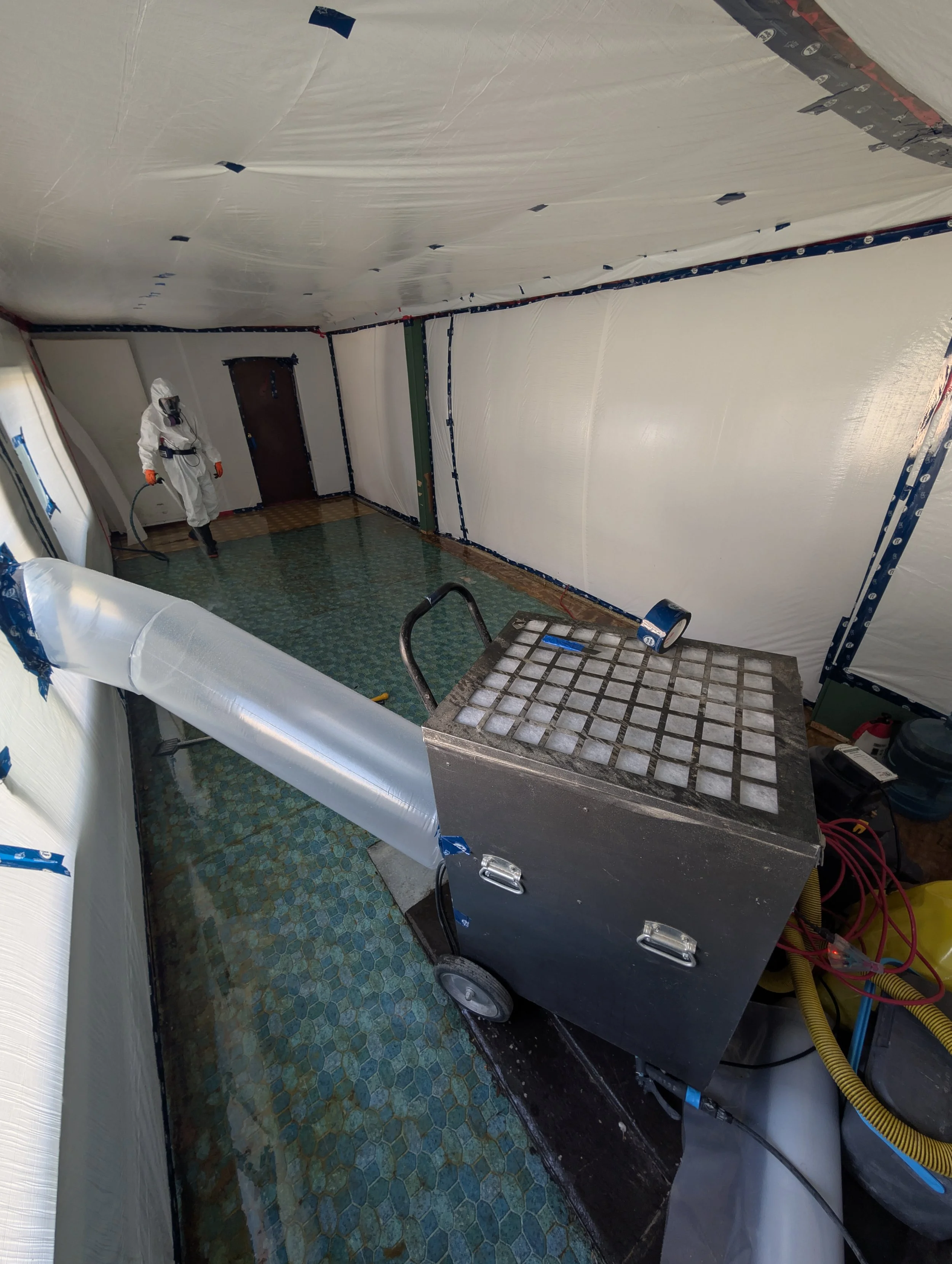
Step 2: Advanced Containment & Safe Removal
Your safety is our priority. After abatement is complete, we arrange for an independent environmental consultant to conduct final air quality testing. This 3rd-party clearance verifies that the area is free of airborne asbestos fibers and safe for re-occupancy or subsequent construction work. You receive a Certificate of Completion for your records.
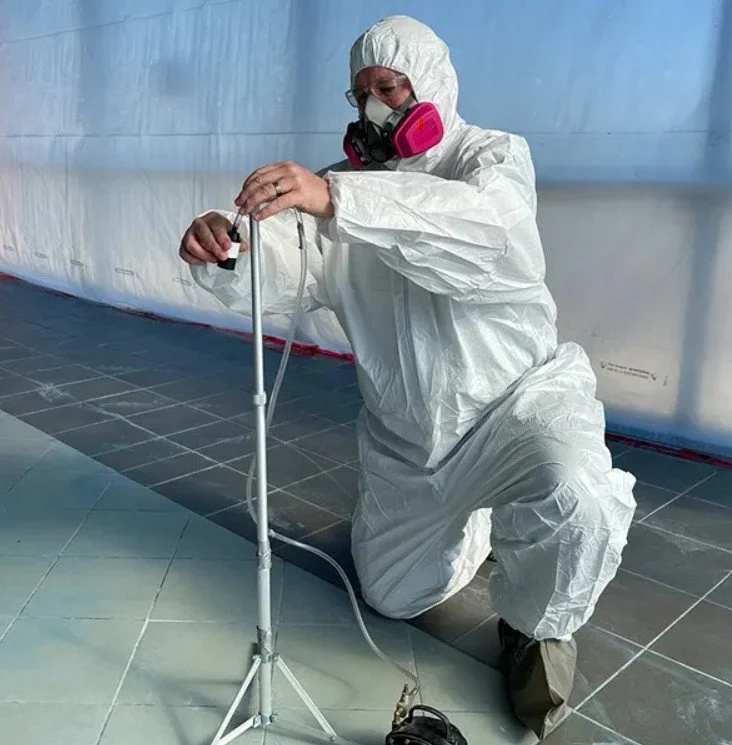
Step 3: Independent 3rd-Party Air Clearance
Seamless Hazardous Material Clearance for Okanagan Renovations & Demolitions
Planning a major renovation or a full structure demolition in the Okanagan? In British Columbia, a Hazardous Material Survey is legally required before any work can begin on homes built before 1990. At Interior Abatement, we specialize in coordinating with homeowners, general contractors, and demolition crews to ensure your project stays on schedule and in full compliance with WorkSafeBC regulations.
Whether you are stripping a kitchen in Lake Country, removing siding in Vernon, or preparing a lot for T-Rex Excavating in Kelowna, we provide the efficient, licensed abatement needed to keep your permits moving and your job site safe.
Frequently Asked Questions about Asbestos Abatement
-
While you don’t usually need a permit specifically just to remove asbestos, the City of Vernon & Kelowna requires a Hazardous Materials Summary Form for any renovation or demolition permit on buildings constructed before 1990. We provide the necessary documentation and air clearance letters required by the City and the Regional District of North Okanagan (RDNO) to ensure your building permit is approved without delays.
-
Costs vary depending on the type of material (friable vs. non-friable) and the size of the area. For example, removing a small section of ducting tape might cost a few hundred dollars, while a full popcorn ceiling removal or attic vermiculite remediation can range from $2,500 to $10,000+. We provide free, transparent estimates for Vernon and Kelowna homeowners so you know exactly what to expect.
-
For most residential projects, such as a single bathroom or kitchen renovation, you can stay in the home as long as the work area is fully contained. We use professional-grade poly-sheeting and negative air pressure to ensure no fibers escape the work zone. For larger, "high-risk" projects, we may recommend vacating for duration of the project until final air clearance is achieved.
-
A typical residential project takes between 1-2 weeks. This includes site setup and containment, the removal itself, and for specialized HEPA cleaning and air quality testing. We prioritize efficiency to ensure your renovation stays on schedule.
Request a Free Quote!