Professional Biohazard & Trauma Scene Cleanup | Kelowna & Vernon
Certified, Discreet, and Compassionate Remediation for Hazardous Environments and Specialized Cleaning.
Restoring Safety to Distressed Properties
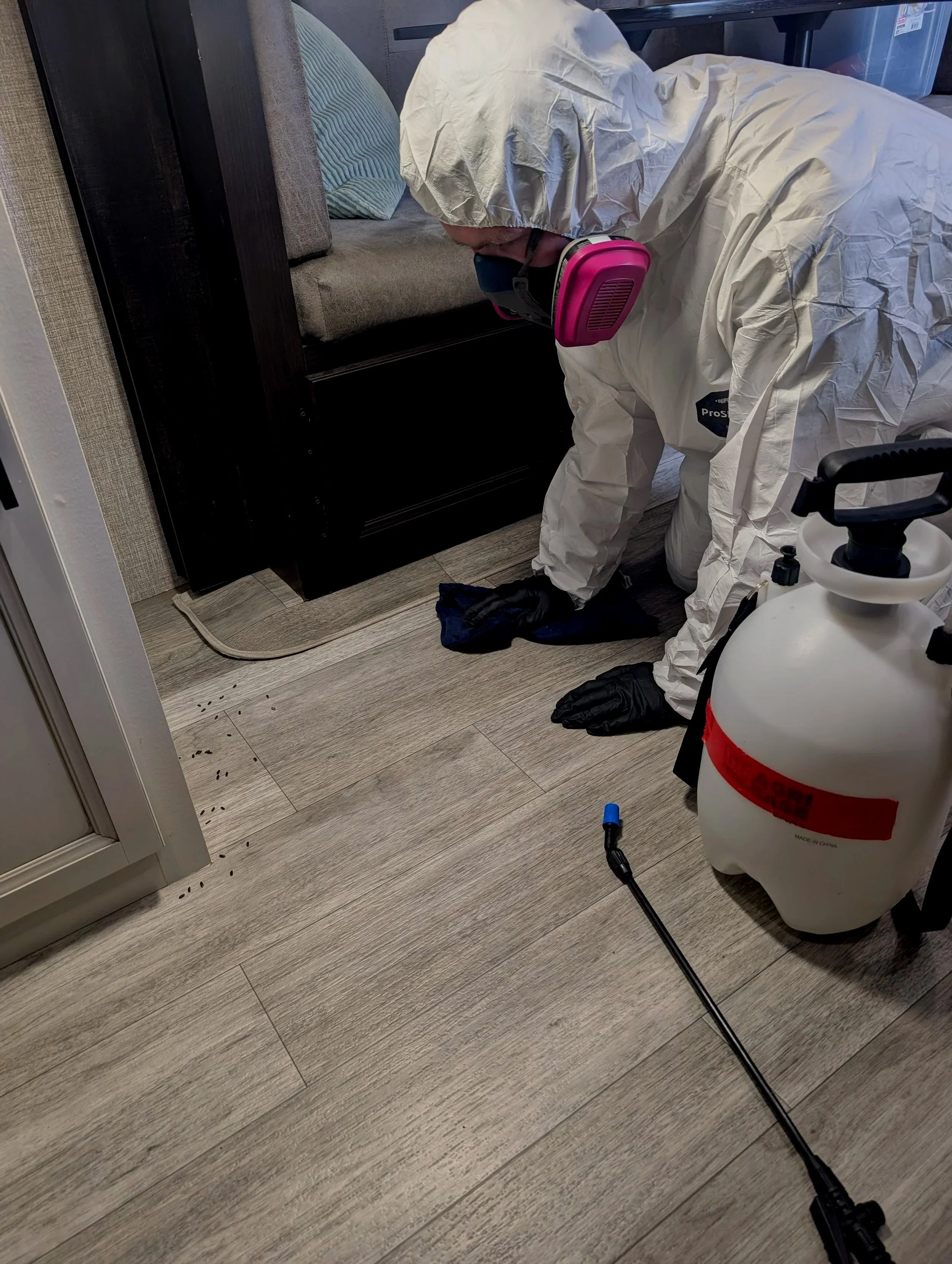
Biohazardous environments require more than just a surface clean; they require professional bioremediation to ensure the space is clinically safe for habitation. Interior Abatement provides specialized cleanup services for property managers, homeowners, and commercial facilities throughout the Okanagan. We handle the hazards you shouldn't have to, using hospital-grade disinfectants and rigorous safety protocols.
Our Core Biohazard Services
-
Squatter & Distressed Property Cleanup
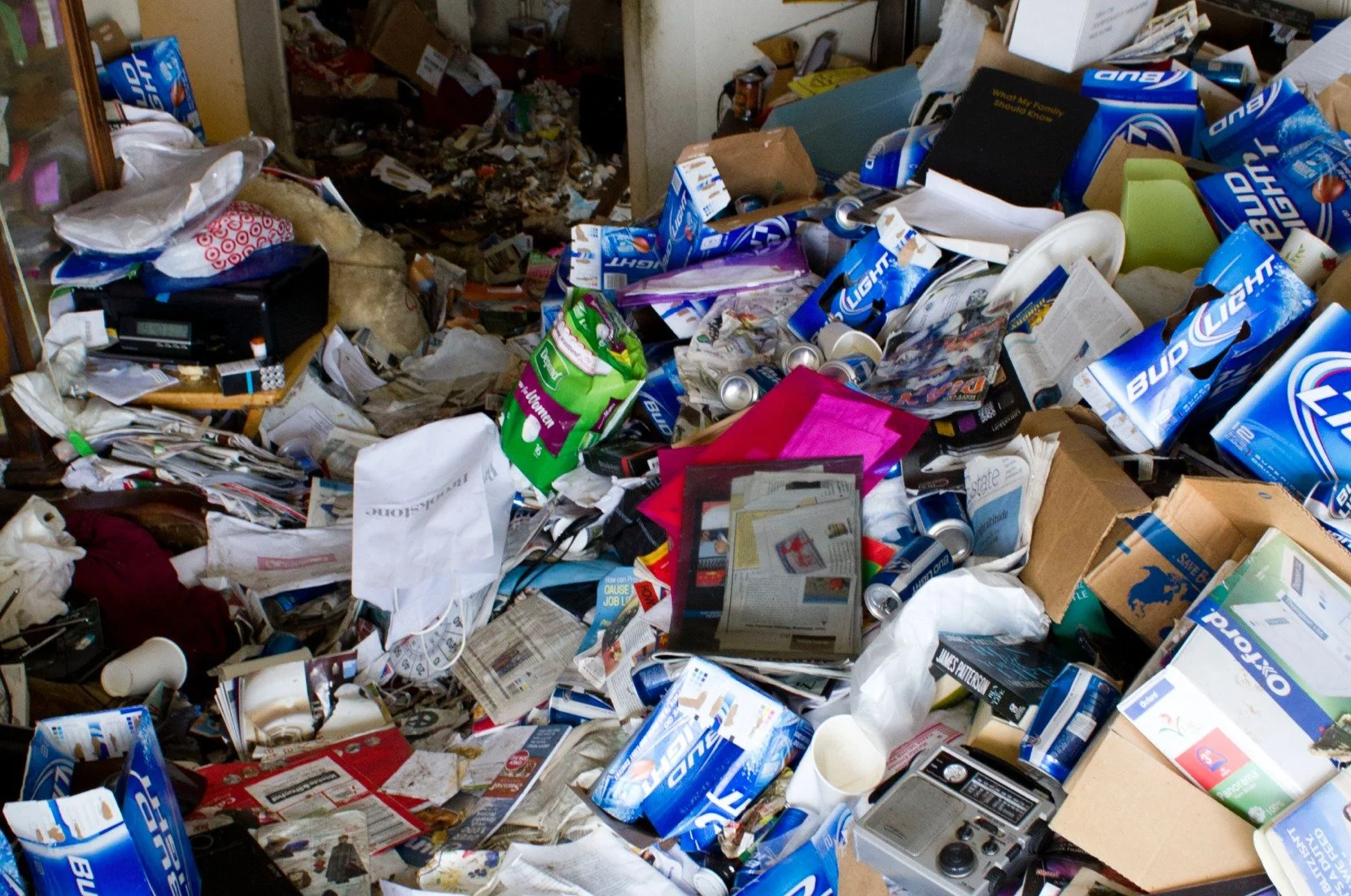
Abandoned or occupied "squatting" sites often contain a mix of hazardous waste. We provide full-service restoration for property owners.
Needle (sharps) sweeps, human waste removal, heavy trash out, and odor neutralization.
Essential for downtown Kelowna and Vernon commercial property managers.
-
Fentanyl & Illegal Drug Decontamination
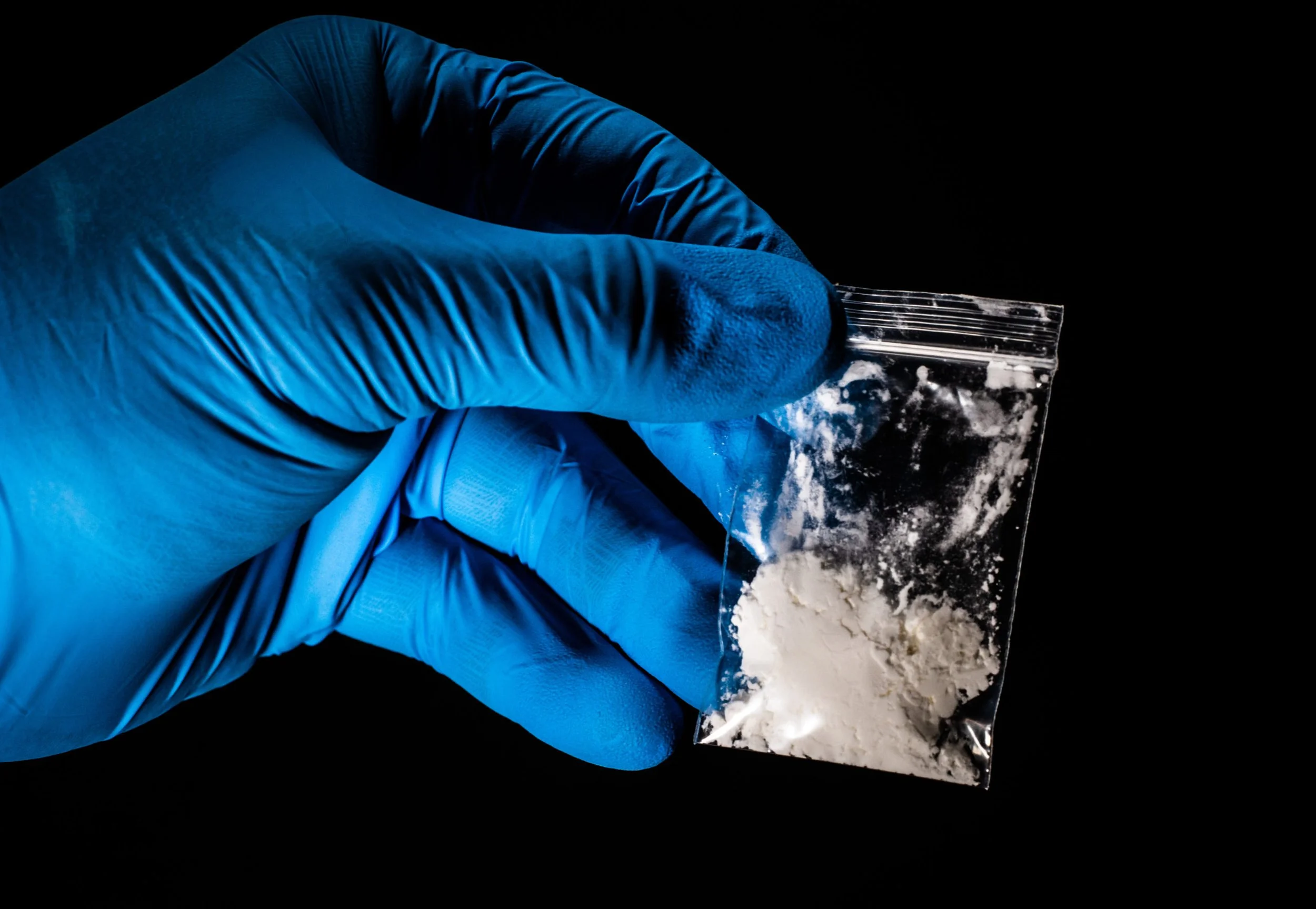
Drug residues, particularly synthetic opioids like Fentanyl, are toxic even in microscopic amounts.
The Process: We utilize specialized neutralizing agents to break down chemical residues at the molecular level, ensuring the property is safe for future occupants or contractors.
-
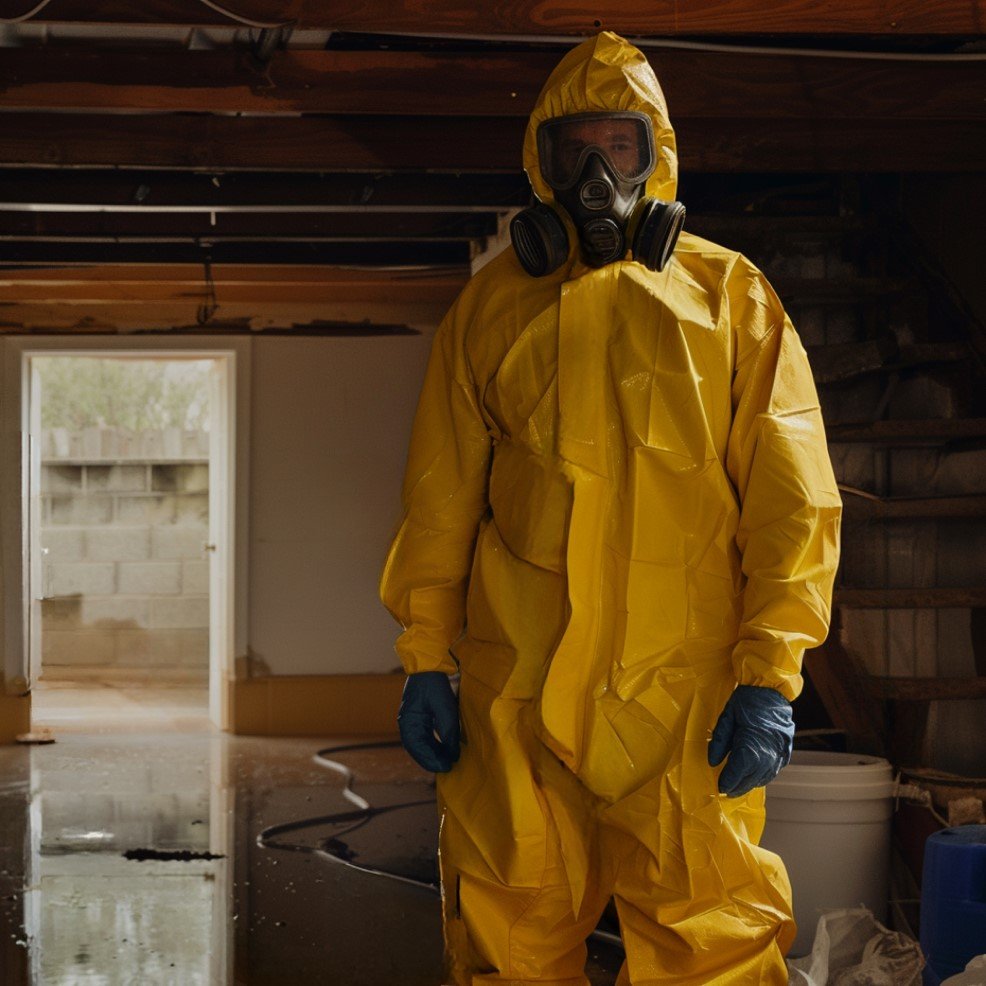
Trauma & Crime Scene Cleanup
In the wake of an accident or unattended death, we provide discreet and respectful remediation.
Expertise: We remove bloodborne pathogens and bodily fluids, following strict WorkSafeBC exposure control plans. Our team is trained to handle these sensitive situations with the utmost privacy.
-
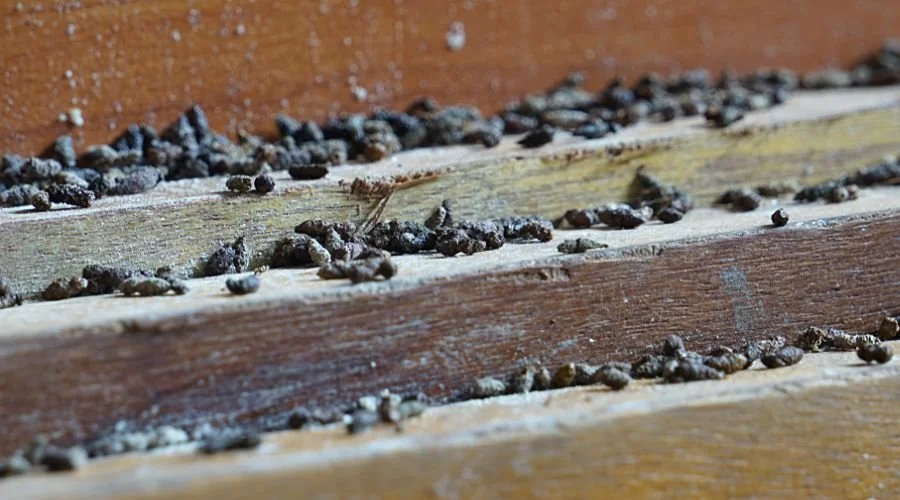
Rodent & Pest Infestation Remediation
Severe rodent infestations (mice, rats, pigeons) leave behind droppings that carry diseases like Hantavirus.
The Solution: We don't just remove the mess; we perform a deep-level disinfection of the structural elements to restore your attic or crawlspace.
For dedicated home and attic rat infestations,
see our:
The 3-Step Biohazard Protocol

Step 1: Rapid Assessment & Hazard Containment
Every project begins with a comprehensive site evaluation to identify the specific biological, chemical, or physical hazards present.
Site Evaluation: We determine the scope of contamination (invisible pathogens vs. visible hazards) and identify affected materials like drywall, flooring, or insulation.
Structural Containment: We establish "Hot Zones" using 6-mil poly-sheeting and HEPA-filtered air scrubbers to create negative air pressure. This prevents cross-contamination and ensures airborne pathogens or odors cannot migrate to other areas of the building.
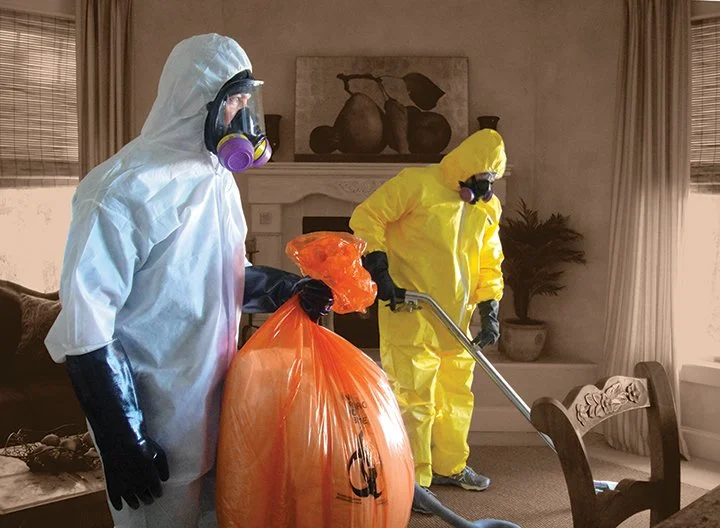
Step 2: Specialized Removal & Bio-Cleaning
Once the site is secured, we move to the physical removal of all hazardous materials.
Hazardous Waste Removal: We perform meticulous sweeps for sharps (needles), remove bio-contaminated porous materials (like carpeting or padding), and handle animal waste or remains according to WorkSafeBC protocols.
Initial Bio-Cleaning: We use industrial-grade detergents to remove all visible organic matter, grease, or debris. This "pre-clean" is essential because disinfectants cannot penetrate through heavy surface layers of soil or waste.
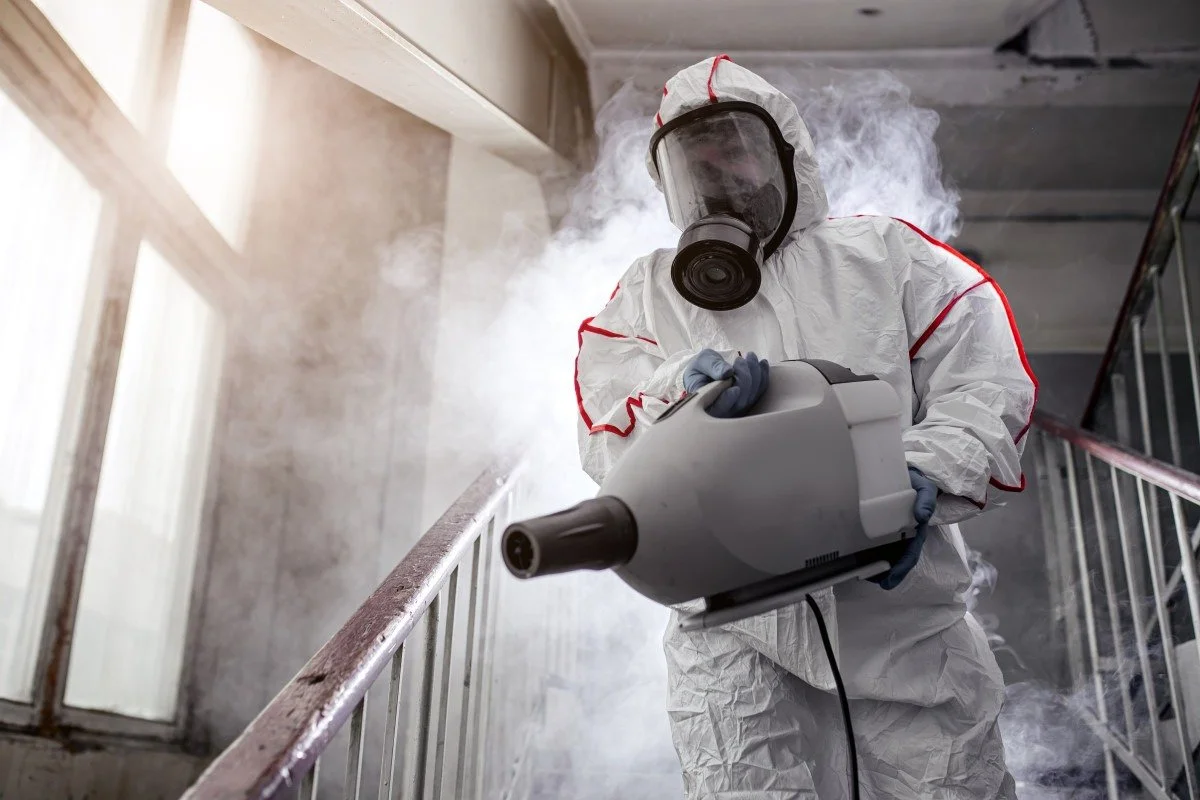
Step 3: Clinical Disinfection & Safety Verification
The final stage is the total elimination of microscopic hazards.
Hospital-Grade Disinfection: We apply EPA-registered, broad-spectrum virucides and bactericides to all surfaces. These agents are specifically chosen to neutralize bloodborne pathogens, synthetic drug residues, and zoonotic diseases (from rodents).
Odor & Air Purification: We utilize ozone or hydroxyl generators to neutralize odors at the molecular level, followed by a final safety inspection. We provide full documentation of the cleanup, ensuring the property is certified as safe for re-occupancy or reconstruction.
Frequently Asked Questions
-
While bleach kills some surface bacteria, it does not neutralize deep-seated pathogens like Hantavirus (from rodents) or chemical residues like Fentanyl. Professional bioremediation involves hospital-grade disinfectants and specialized HEPA vacuums that prevent toxic particles from becoming airborne.
-
Standard cleaning crews are usually not trained or equipped to handle bloodborne pathogens or drug residues like Fentanyl. Professional biohazard remediation requires specialized PPE and WorkSafeBC-compliant disposal protocols to protect both the cleaners and the future occupants.
-
Yes. Fentanyl is extremely potent. Standard cleaning can actually kick the dust into the air, making it more dangerous. We use specialized neutralizing solutions to ensure the area is chemically safe.
-
Many homeowner and commercial insurance policies cover biohazard and trauma remediation. We can provide the necessary documentation to help streamline your claim.
-
Yes. In the Okanagan, deer mice are known carriers of Hantavirus. When droppings are disturbed (even by wind or light cleaning), the virus becomes airborne. We use "wet-cleaning" methods and HEPA filtration to ensure these pathogens are neutralized without spreading through your HVAC system.
Request a Free Quote!