Safe Lead Abatement & Lead-Based Paint Removal Kelowna & Vernon
Certified Contractors for Hazardous Lead-Based Paint (LBP) Removal in the Okanagan.
Protecting Your Family from Lead-Based Paint (LBP) Hazards
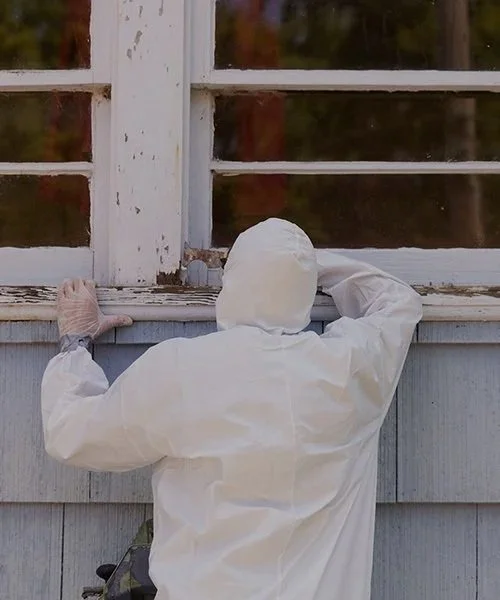
If your Kelowna or Vernon property was built before 1990, it likely contains Lead-Based Paint (LBP). While undisturbed lead paint poses a low risk, renovations, demolition, or even peeling paint can release hazardous lead dust and chips into your home. Inhaling or ingesting this dust, particularly for children and pregnant women, can lead to serious health issues.
At Interior Abatement, we specialize in the safe, compliant removal of Lead-Based Paint. We don't just "paint over" the problem; we eliminate the source of the lead hazard, ensuring your property is safe for future generations.
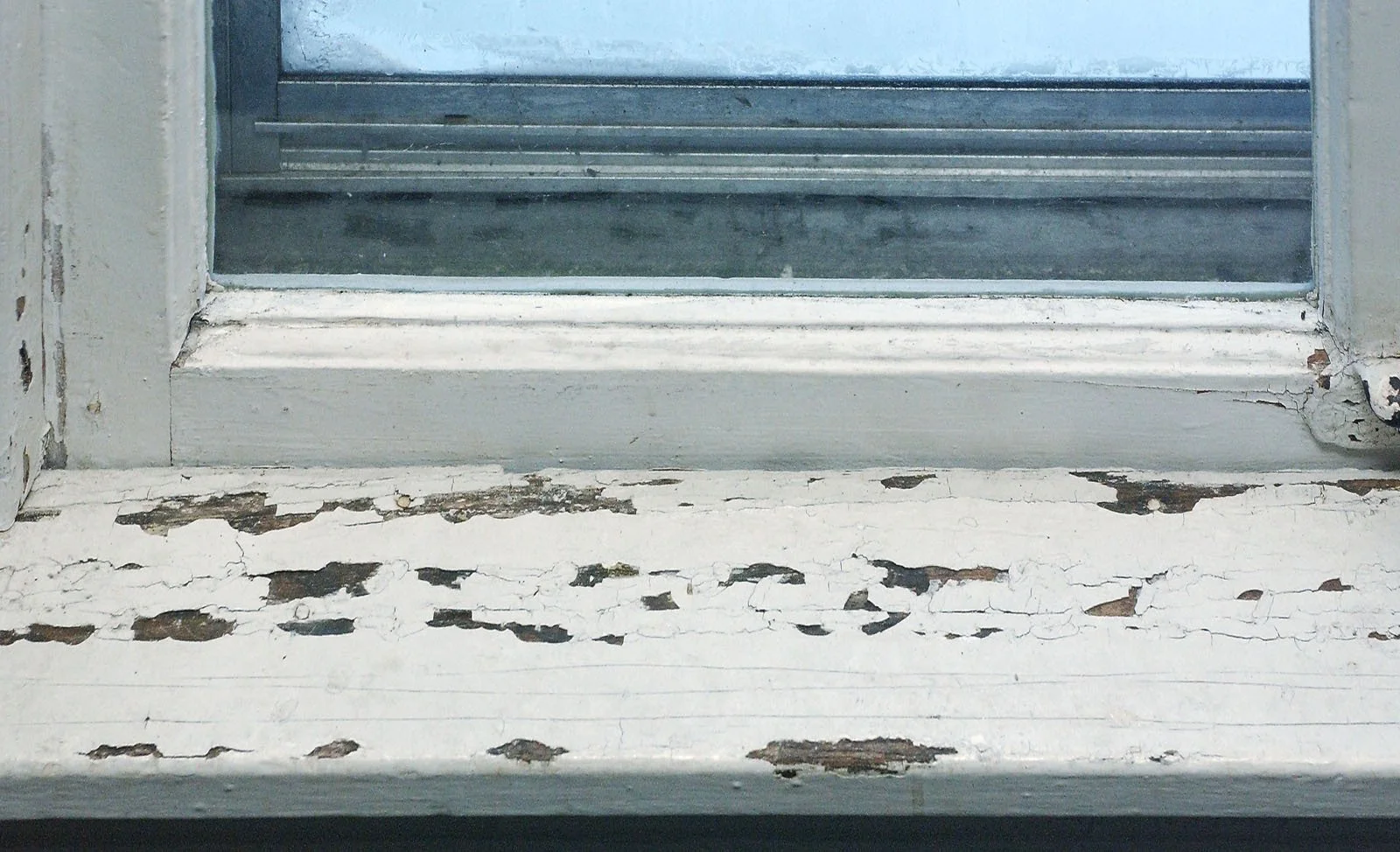
Common Sources of Lead-Based Paint:
Window Sills & Frames: Friction from opening/closing windows creates lead dust.
Door Frames & Trim: High-traffic areas where paint often chips.
Exterior Paint: Especially on older wood siding.
Interior Walls & Ceilings: Hidden layers under newer paint.
Hazardous Lead in Ceramic Tile & Glazes
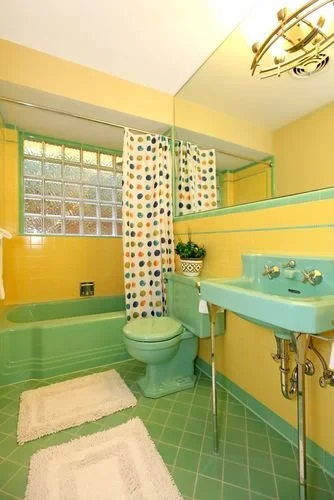
A common misconception is that lead is only found in paint. However, many ceramic floor tiles, kitchen backsplashes, and bathroom shower surrounds installed before the 1990s (and even some modern imports) contain high levels of lead in their decorative glaze.
While these tiles are safe when left alone, demolition—crushing, cutting, or smashing them—releases fine, toxic lead dust into your home's air and HVAC system. At Interior Abatement, we treat tile demolition with the same rigorous containment protocols as lead-based paint to ensure your air remains breathable and safe.
The 3-Step Lead Abatement Process
Our certified technicians employ specialized techniques to safely remove Lead-Based Paint (LBP). This can include:
Wet Scraping & Sanding: To minimize dust generation.
Chemical Stripping: For delicate architectural details.
Encapsulation: Applying specialized coatings to seal lead paint in place where removal is not feasible or necessary.
All removed paint chips and dust are collected using HEPA vacuums.
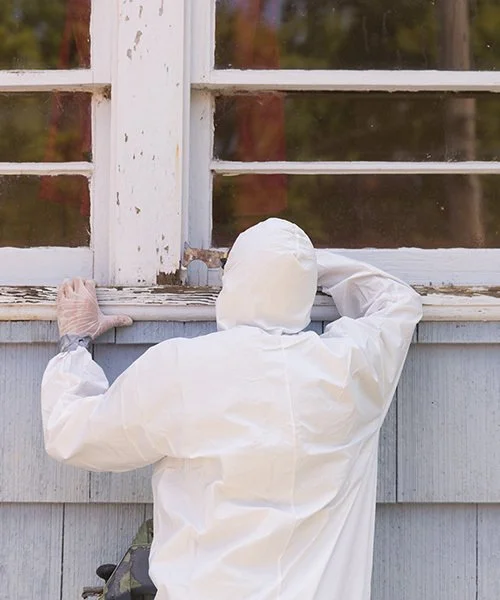
Step 2: Precision Lead-Based Paint Removal
Our process begins by establishing a secure containment zone. We use 6-mil poly-sheeting, barrier tape, and HEPA-filtered Negative Air Machines to prevent lead dust from spreading to unaffected areas of your property. All non-removable items are covered and sealed.
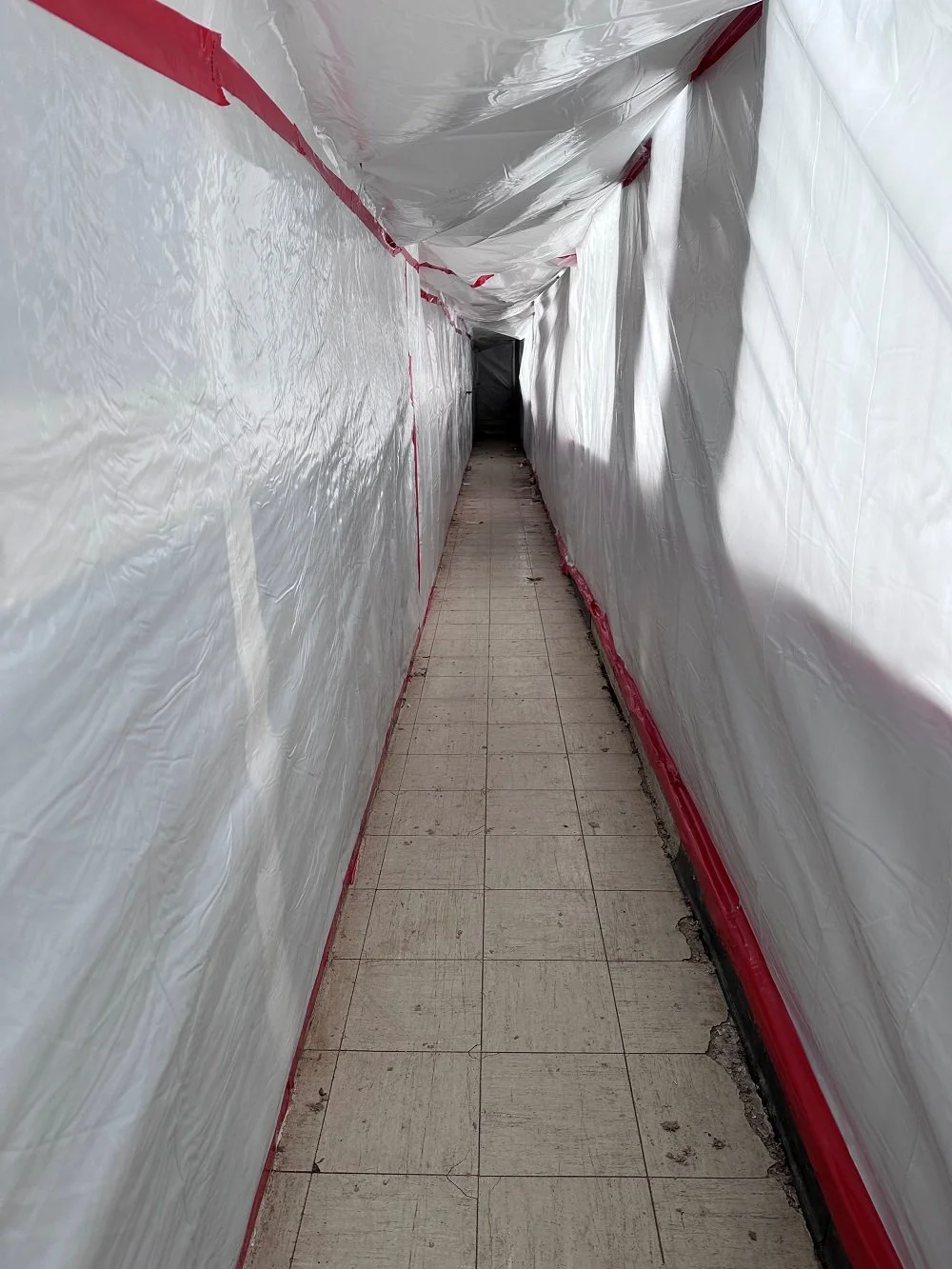
Step 1: Lead Dust Containment & Site Preparation
Upon completion, the work area is thoroughly cleaned and inspected. All lead-contaminated materials (paint chips, dust, PPE, poly-sheeting) are carefully sealed in labeled, thick-gauge bags and transported for compliant disposal to approved facilities within the Regional District of North Okanagan (RDNO) guidelines. Post-abatement clearance testing can also be arranged through independent third-party labs.
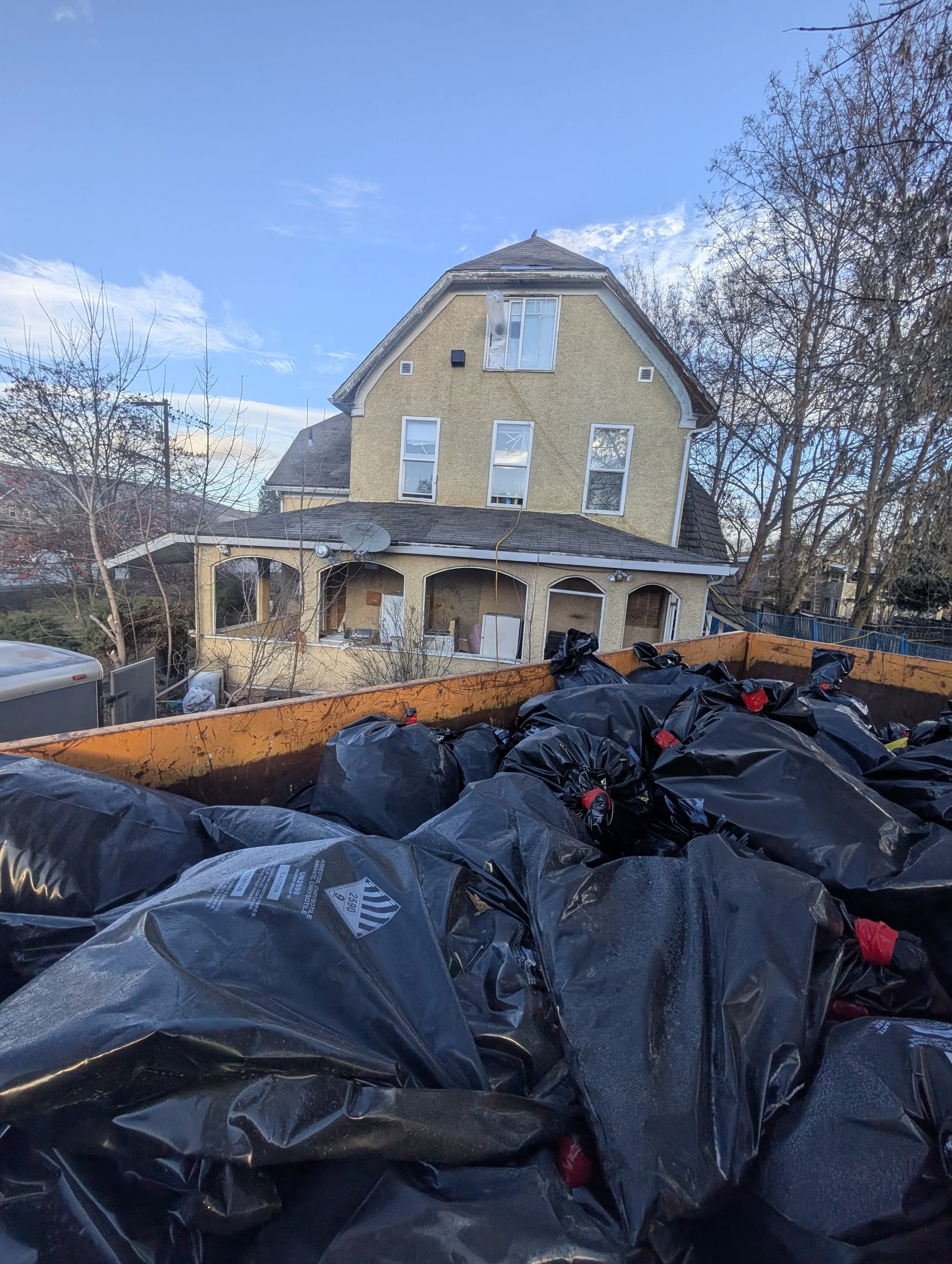
Step 3: Hazardous Waste Disposal & Clearance
Why Choose Interior Abatement for Lead Abatement?
Navigating Lead-Based Paint regulations in BC can be complex. As a WorkSafeBC Licensed contractor, Interior Abatement ensures every lead abatement project adheres to strict provincial guidelines and safety protocols. We provide the necessary documentation for renovations and demolitions, giving you peace of mind that your project is handled professionally, safely, and legally.
Certified & Compliant Lead Abatement in BC

The "Leachability" Factor & Legal Disposal
Why Lead Disposal is More Complex Than You Think: The Leachability Factor
One of the most overlooked aspects of lead abatement in BC is the legal disposal of the waste. It’s a common mistake for homeowners and uncertified contractors to assume that lead-painted wood or tile can be thrown in a standard construction bin.
In British Columbia, lead waste is regulated based on its leachability. Even if a material has a low total concentration of lead, it may still be classified as "Leachable Toxic Waste" if it fails a specific laboratory test called the TCLP (Toxicity Characteristic Leaching Procedure).
What is TCLP Testing?
The TCLP test simulates how lead might "leach" out of the waste and into the groundwater if it were sitting in a landfill.
The Threshold: If the test results show a lead concentration greater than 5.0 mg/L, the waste is legally classified as Hazardous Waste.
The Consequence: This waste cannot be disposed of at local Okanagan landfills. It must be transported by a licensed hazardous waste carrier to a specialized, secure facility.
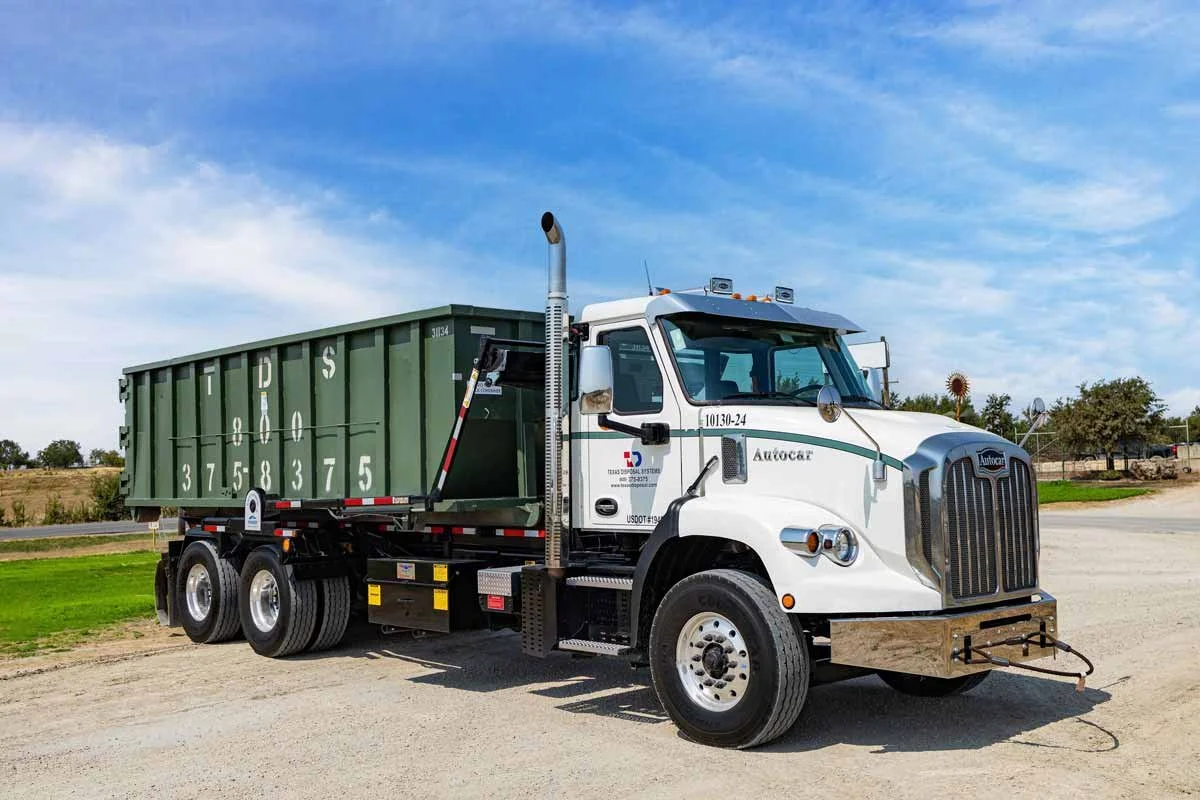
How Interior Abatement Protects You:
As a WorkSafeBC licensed contractor, Interior Abatement manages the entire compliance chain for you:
Sampling & Analysis: We coordinate with 3rd-party labs to perform TCLP testing on your project’s waste stream.
Waste Characterization: We determine if your waste is "General Construction Debris" or "Leachable Toxic Waste."
Compliant Disposal: We ensure all hazardous lead waste is manifested and disposed of at authorized BC facilities, protecting you from the heavy fines associated with illegal hazardous waste disposal.
Frequently Asked Questions
-
Homes built before 1990 have a high probability of containing Lead-Based Paint. The only way to confirm is through professional testing. We recommend an initial survey to identify all potential LBP areas before any renovation or demolition work begins.
-
We strongly advise against DIY lead paint removal. Disturbing LBP without proper training, equipment, and containment can release hazardous dust that is extremely difficult to clean up and poses severe health risks. Always use a certified professional.
-
Encapsulation is a method where a specialized liquid coating is applied over Lead-Based Paint to create a durable, non-permeable barrier. This seals the lead paint in place, preventing the release of hazardous lead dust and chips without full removal. It's a compliant option for certain situations.
-
Technically, many regulations focus on "surface coatings" (paint), but WorkSafeBC and health authorities recognize that lead in tile glazes is a significant worker and occupant hazard during demolition. We follow "Lead-Safe" work practices for all glazed tile removals in pre-1990 buildings to ensure full compliance and safety.
-
In many cases, yes. Under BC regulations, if lead is present, the waste must be tested for leachability before a landfill will accept it. At Interior Abatement, we handle the sampling and laboratory coordination to ensure your project stays on the right side of the law.
Request a Free Quote!